Li Lab


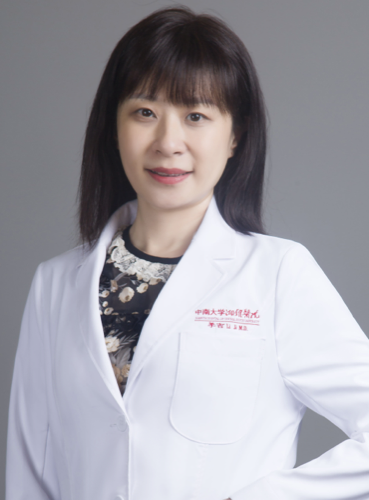
Prof. Ji Li
Director of Li Lab
Our laboratory bridges clinical dermatology with basic and translational science. Our research centers on the following major directions: rosacea, hidradenitis suppurativa, hair disorders & regeneration, and skin aging. We combine clinical practice with clinical research on disease patterns, natural history, and therapeutic outcomes, while also conducting mechanistic studies grounded in rich patient resources. Through patient cohorts, multi-omics approaches, disease models, and translational studies, we aim to define disease pathogenesis and advance targeted therapeutic strategies, including clinical trials of novel treatments and drug candidates.
Together, these efforts reflect our commitment to integrating clinical insight, biological discovery, and therapeutic innovation to advance precision dermatology.
Our work, published in Cell, BMJ, Nature Medicine, Nature Communications, Developmental Cell, Science Advances, JAMA Dermatology, JAAD, and JID, has contributed to progress from mechanistic discovery to clinical translation across these research areas.
Rosacea and Hidradenitis Suppurativa
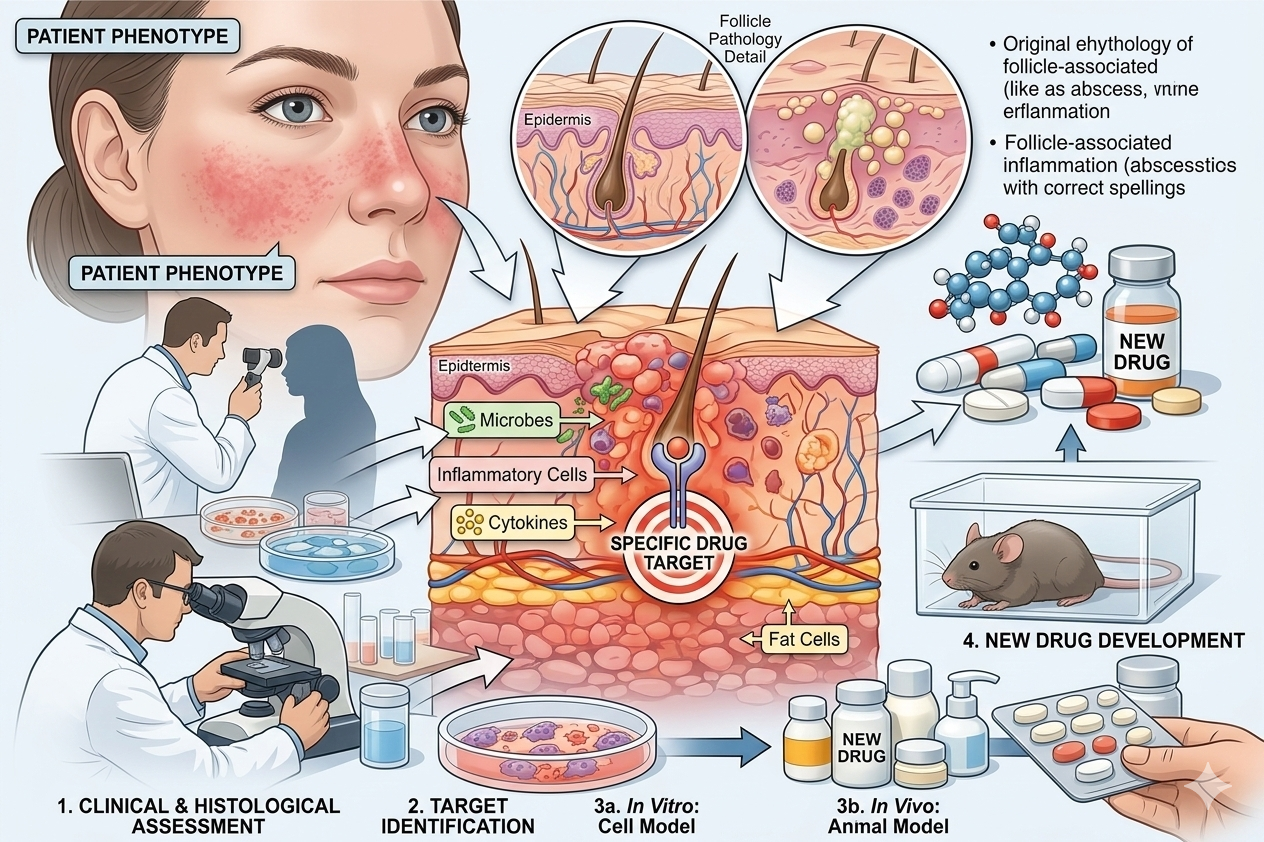
- Identified α-ketoglutarate as a rosacea-associated metabolite that activates OXGR1 to suppress pathological vasodilation; developed the selective agonist A-1 for rosacea erythema treatment (Cell 2026).
- Revealed pro-inflammatory fibroblast PTGDS pathway and neuro-immune CGRP–RAMP1 circuit in rosacea (Nat Commun 2024; Nat Commun 2024).
- Multicenter RCTs demonstrated gabapentin improves rosacea flushing, paroxetine effectively treats refractory erythema, and hydroxychloroquine is a safe and efficacious option for rosacea (JAAD 2025; JAAD 2023; JAAD 2021).
- Led the first Chinese Rosacea Diagnosis and Treatment Guidelines (2021).
- Reported PASH syndrome (pyoderma gangrenosum, acne, and hidradenitis suppurativa) responding to colchicine–thalidomide combination therapy (Front Med 2022).
Hair Disorders & Regeneration
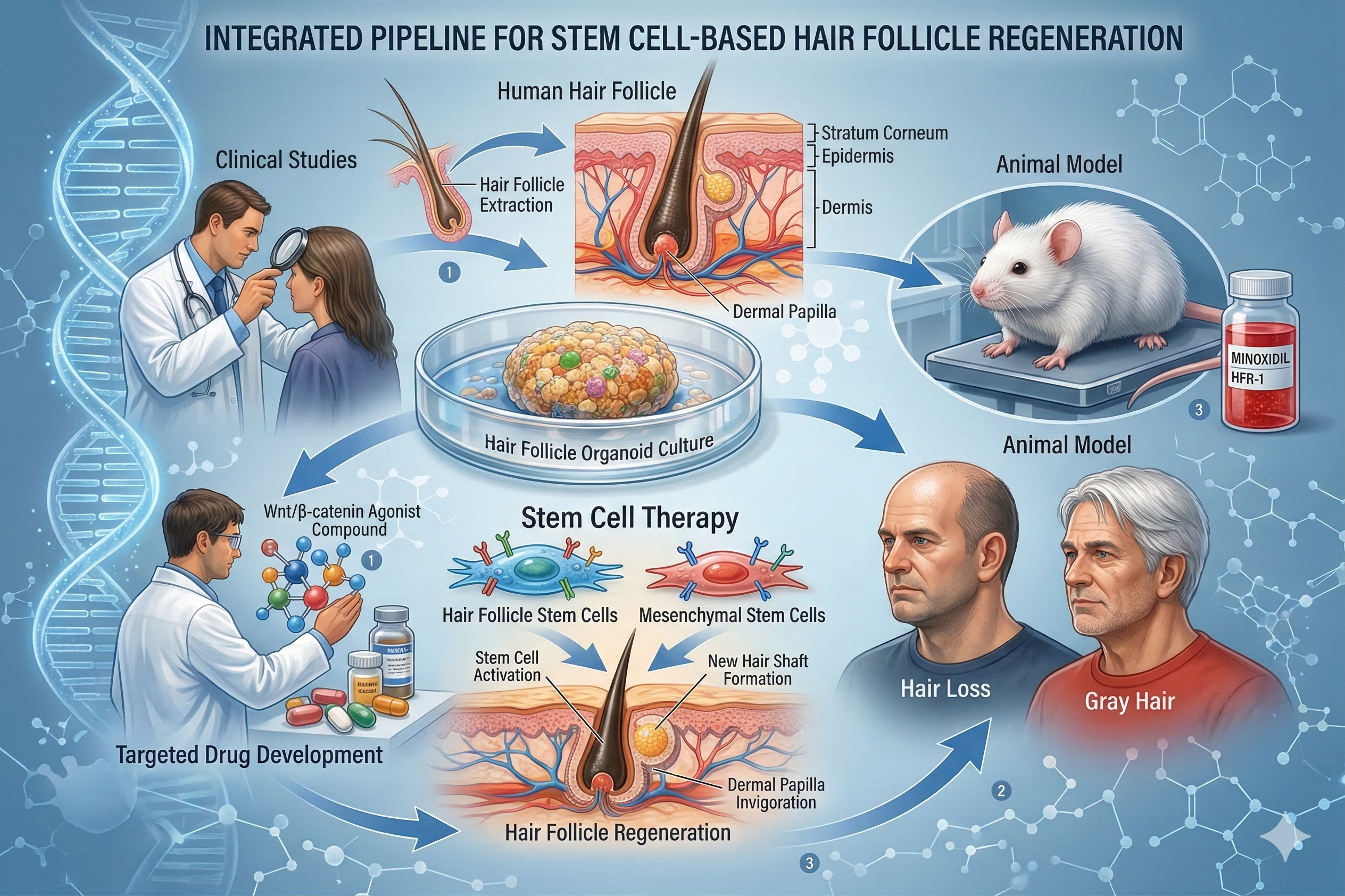
- Revealed CTS hypercontractility–PIEZO1 axis driving androgenetic alopecia; found MLCK inhibitor ML-7 restores hair growth (Nat Commun 2026).
- Identified arginine metabolic disruption as a core pathogenic driver of AGA; microneedle-based arginine replenishment restores hair growth (Adv Sci 2025).
- Demonstrated SIRT7 activates quiescent hair follicle stem cells and is required for hair regeneration in mice (EMBO J 2020).
- Demonstrated Hedgehog-driven SCUBE3 production in dermal papilla niche sufficient to induce new hair growth (Dev Cell 2022).
- Clinical studies established JAK inhibitor–based management for alopecia areata: ritlecitinib demonstrated efficacy across anatomical sites, in adolescents, and in patients refractory to prior JAK inhibitors, while tofacitinib dose tapering sustained treatment response (JAAD 2025; JAAD 2026; JAAD 2026; J Cutan Med Surg 2026).
Skin Aging
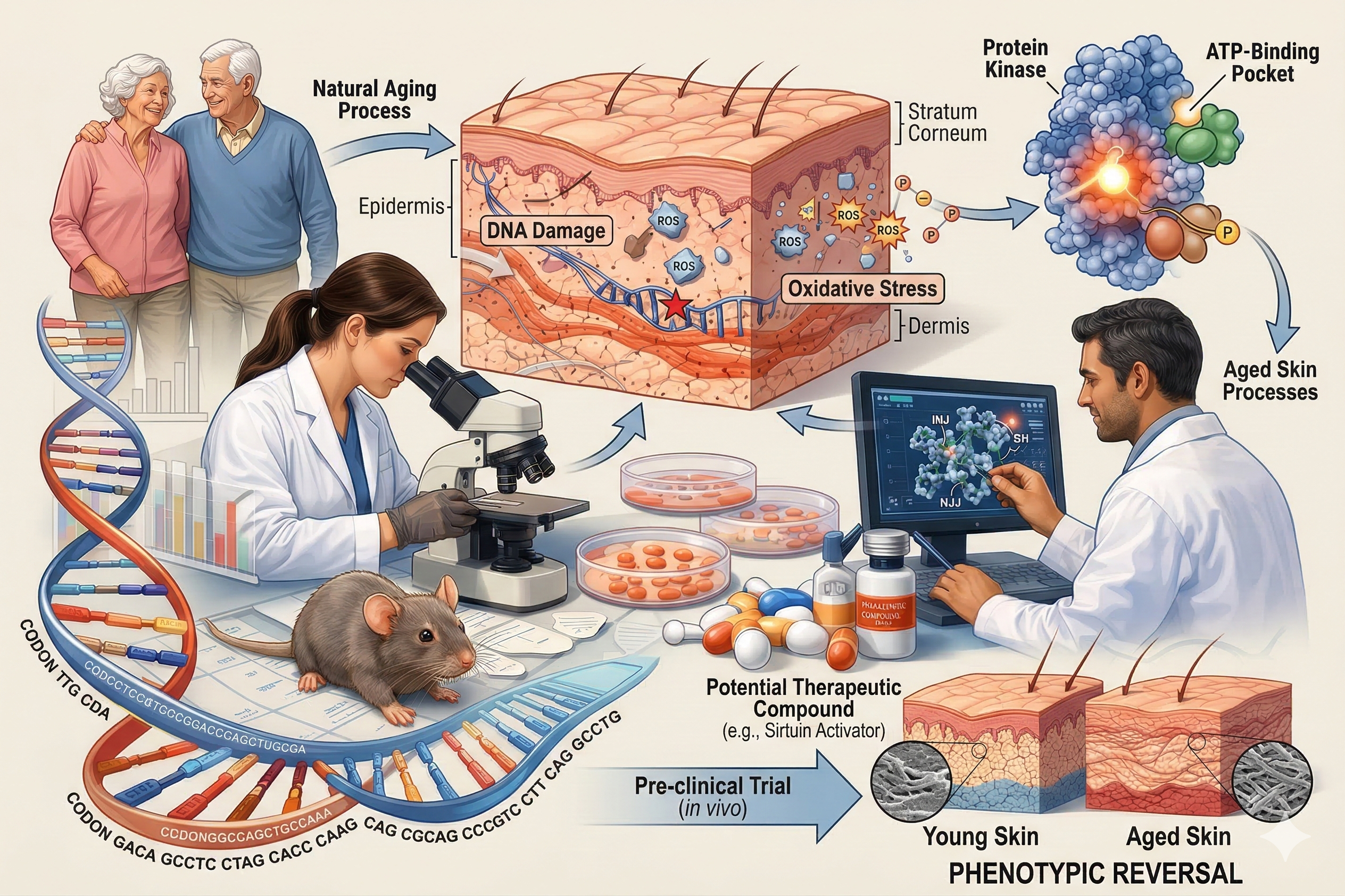
- Core member of the national Aging Biomarker Consortium establishing standardized aging biomarkers across organ systems (Nat Med 2023).
- Longevity cohort transcriptomics revealed ETS1 governs healthy aging by downregulating ribosomal biogenesis as an adaptive energy-saving mechanism (Sci Adv 2022).
- FTO depletion drives heterochromatin loss via KAT8/RSF1 cascade, linking RNA m6A modification to chromatin remodeling in skin aging (MedComm 2025).
- HOXC10 delays fibroblast senescence via FZD6/Wnt/β-catenin; simvastatin identified as functional mimic (Research 2025).
Current Research Directions
Rosacea and Hidradenitis Suppurativa
Elucidating the pathogenic mechanisms of rosacea and hidradenitis suppurativa through multi-omics, disease models, and multicenter clinical trials to develop targeted therapies.
View detailsHair Disorders & Regeneration
Investigating the molecular mechanisms of androgenetic alopecia, hair graying, and alopecia areata, and developing regenerative strategies and targeted clinical interventions.
View detailsSkin Aging
Investigating the fundamental mechanisms of skin aging through longevity cohorts, multi-omics, and translational models to develop anti-aging interventions.
View details